AI-Drafted Contracts Are Now Surviving Courtroom Scrutiny
?utm_source=reddit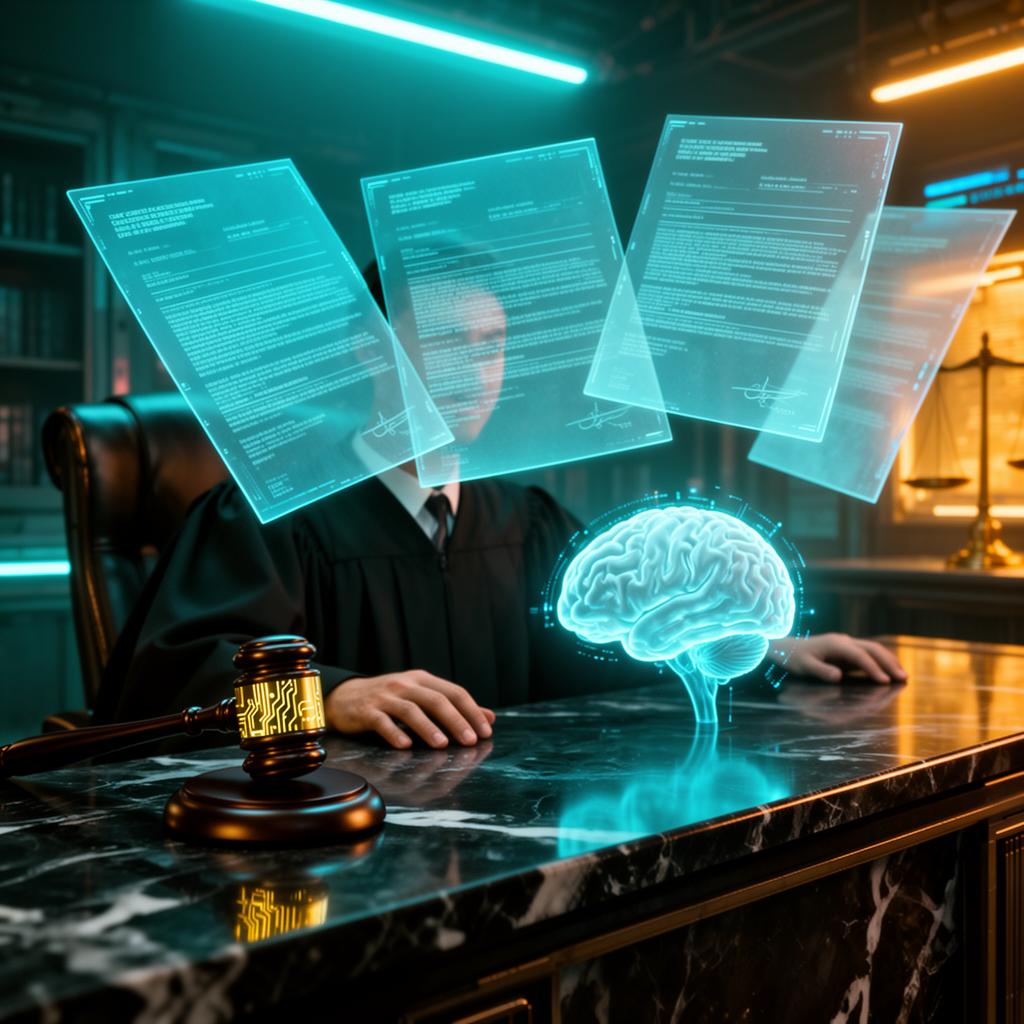
Two appellate rulings in 2026 confirm that LLM-generated contracts are enforceable when properly attested. Here's how forward-leaning firms are restructuring.
For most of the last decade, the conversation about generative AI in legal practice has been a polite hedge. Two appellate decisions handed down this spring quietly retired that hedge. In both cases, commercial contracts drafted substantially by large language models were upheld as enforceable, and in both cases the decisive factor was not the provenance of the prose but the documented attestation of the supervising attorney.
The operational consequences inside firms that adopted LLM-native drafting suites early in the cycle are already measurable. First-draft turnaround on standard commercial paper has compressed by forty to sixty percent at firms that have integrated tools like Harvey and Spellbook. The more interesting effect is the redistribution of cognitive load.
The billing model is absorbing the shock with a quiet repricing of what an hour of legal labor actually contains. The billable hour did not die; it densified. Firms are moving toward outcome-anchored pricing on the document tiers where the LLM has compressed the work.
The forward indicator worth watching is malpractice insurance underwriting. Carriers have begun differentiating premiums based on whether a firm logs prompt history, model versioning, and retrieval-augmented context windows alongside its document management system. That telemetry requirement is what will define the operational shape of LLM-assisted practice for the rest of the decade.
More in Legal

A Man Tried To Hack a Court With Invisible Ink
The hack failed because the court wasn't using AI. The fact that he thought it would work is the real story, and a preview of how legal tampering will evolve.

A Federal Judge Gives Google One Week to Stop Rigging Its App Store
Google lost its antitrust case but tried to win the compliance war with a deliberately confusing UI. A federal judge just called their bluff and is not amused.