Kawasaki's New Arm Isn't for Building Cars, It's for an AI to Drive
?utm_source=reddit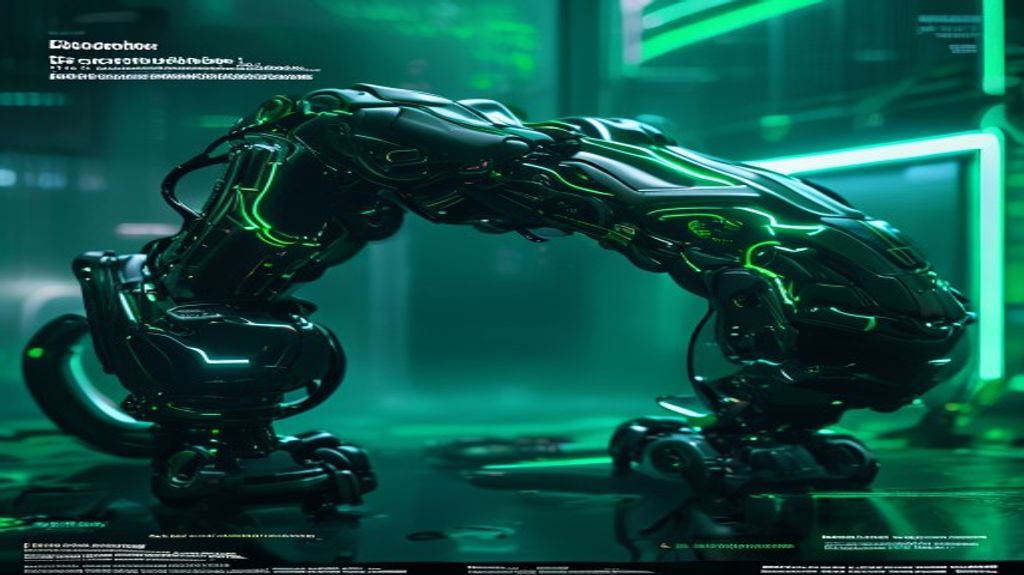
The RL030N isn't just another robot arm. With eight axes and an open API, it's a physical body for the AI brains being built by startups. The platform war for automation just got very interesting.
Most industrial robots are incredibly strong, incredibly precise, and incredibly dumb. They weld the same seam on a million car bodies without complaint. The AI revolution, meanwhile, has been stuck in the cloud, learning from data but unable to physically touch the world. A legacy giant just built the bridge. Kawasaki’s new RL030N robot arm isn't the story because it’s a better arm; it’s the story because it’s designed to be a body for someone else’s brain. By building an arm that explicitly cedes control to outside AI, Kawasaki is making a bet that the future of robotics is about hardware platforms, not closed systems.
The standard factory robot gets by with six axes of movement. The RL030N has eight. That extra dexterity comes from what Kawasaki engineers call a “diving board” extension, an added joint that lets the arm snake into cluttered spaces and avoid the classic robotic problem of singularity, where an arm can lock up when multiple solutions exist for a single position. It’s a 30kg-payload arm built for speed over absolute precision. But the hardware is only half the equation. The other is Kawasaki’s open KRNX API, a real-time interface that lets external AI software — from academic ROS environments to proprietary machine learning stacks — directly control the robot's motion. This low-latency connection is the key, turning the arm into a responsive appendage for an AI, not just an automaton executing a pre-programmed path.
Kawasaki isn’t trying to beat the AI startups at their own game; it's selling them the picks and shovels. The customers for the RL030N aren't just the usual automotive and logistics giants. The real targets are the venture-backed AI firms that have brilliant vision systems and motion-planning software but have been stuck deploying on clumsy research bots. As director Paul Marcovecchio told The Robot Report, they're bridging the gap between motion-planning software and hardware dexterity. The winners are AI companies who can now lease or buy industrial-grade bodies for their software brains, shortening the path from simulation to a real factory floor. The losers could be robotics incumbents who insist on bundling their hardware with proprietary, locked-down software. Kawasaki is betting the market wants an Android model for robotics: a common hardware layer for a thousand different software minds.
For the next three to five years, you won't find an RL030N in your kitchen. You will, however, start to see its impact in warehouses that can reconfigure a production line in hours, not months. As more AI-driven automation gets deployed on reliable hardware, the chasm between what works in a demo video and what works 24/7 on a factory floor will shrink. This represents a fundamental split in strategy: the integrated approach of companies building the full hardware and software stack versus Kawasaki's open platform play. The real question isn't whether the robot can pick the right object from a bin. It’s who is liable when the AI from one company crashes the robot arm from another.
More in Robotics
DARPA Wants Robots That Can Actually Do Real Work
The backflips are cool, but can a robot lift a spare tire? The Pentagon's latest challenge is a reality check for automation, focused on the grunt work of military logistics.

Humanoid Robots Are Here, Just Not In Your Kitchen
The viral videos show bipedal robots doing chores. The reality is that less glamorous mobile manipulators are already here, working factory shifts you'll never see.