Kia's EV3 Finally Makes The Sub-$30,000 Electric Car Real
?utm_source=reddit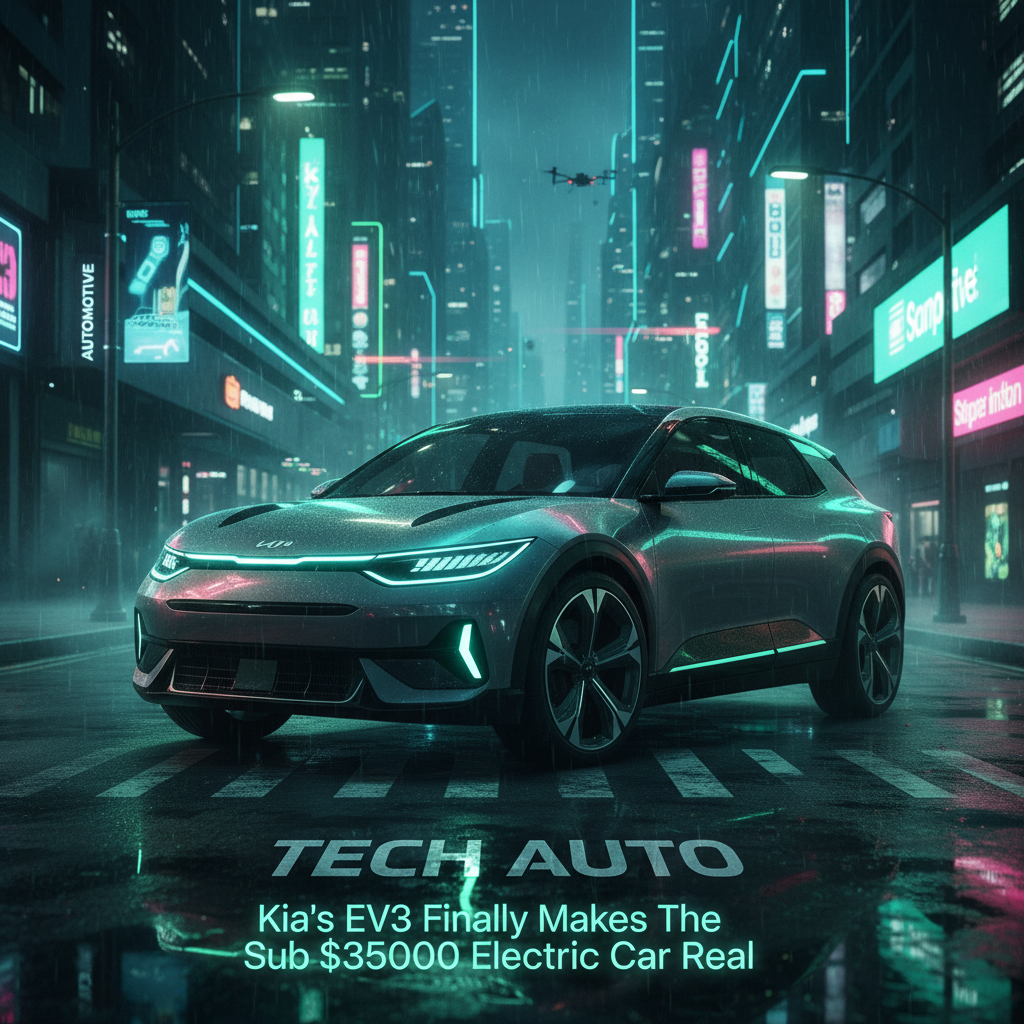
The 2027 Kia EV3 starts at $29,890. This isn't just another electric crossover; it's a direct assault on the gas-powered family car and the last decade of EV compromises.
The number is $29,890. For years, that figure has been the mythical floor for a viable, mass-market electric vehicle in America, and Kia just hit it. The 2027 EV3 isn't a compliance car or a tech demo for the wealthy. It's a compact SUV aimed directly at the heart of the market, with a price tag that competes with gas-burning Hondas and Toyotas. The entry-level price gets the headlines, but the lack of obvious compromise is the actual story. This is a direct challenge to the aging Chevy Bolt and Nissan Leaf, vehicles that defined the first generation of affordable EVs but now look outgunned on every meaningful metric.
Under the floor, buyers get a choice. The base model uses a 58.3 kWh battery good for an EPA-estimated 221 miles, a perfectly adequate setup for a daily commuter. The real news is the extended-range option: an 81.4 kWh battery that pushes range to 321 miles, crossing the psychological barrier for road-trip viability. Both versions charge from 10% to 80% in about 30 minutes on a DC fast charger and come with a native NACS port, meaning no clumsy adapters are needed to access Tesla's Supercharger network. Inside, the cabin avoids a low-rent feel with nearly 30 inches of combined screen space for instruments and infotainment. Kia is also including its refined i-Pedal 3.0 one-pedal driving system, a small detail that signals this vehicle was built by engineers who actually drive electric.
This is a volume play, plain and simple. Kia and its parent company Hyundai are not trying to poach Model Y drivers; they are trying to stop you from buying another Toyota RAV4. For General Motors and Nissan, the EV3 is an existential threat to their entry-level offerings. Hitting the aggressive sticker price fulfills a promise Kia has been making for years; Reuters reported the company had a target price of around $30,000, and delivering on it puts immense pressure on Ford and Stellantis. The biggest variable remains government incentives. The Inflation Reduction Act's strict battery sourcing rules could mean the EV3 isn't eligible for the full $7,500 tax credit, potentially erasing its on-paper price advantage over North American-assembled competitors.
The EV3, and the wave of competitors it will inevitably spawn, fundamentally changes the calculus for car ownership over the next five years. The benchmark for a compelling new vehicle will no longer be set by premium brands, but by the value proposition delivered in the sub-$40,000 segment. A 300-mile range and a reliable fast-charging experience are about to become table stakes, not luxury features. The conversation will shift from range anxiety to the long-term realities of ownership: reliability, battery degradation, and resale value. The question isn't whether you can afford to buy an electric car anymore. It's whether a machine engineered to such a razor-thin margin is one you will actually want to own when the warranty runs out.
More in Automotive

That Electric Jet Flight Cost $5. The Real Story Is the Hybrid Engine.
Heart Aerospace flew a massive electric plane on a pocket change budget. But the demonstrator isn't the product. The real play is a hybrid jet that might actually save regional airlines from spiraling fuel costs.

The Job Site Goes Quiet: LiuGong's 30-Ton Electric Digger Lands In America
The roar of the diesel job site is about to get a lot quieter. A Chinese equipment giant is bringing an electric excavator to the US that it claims cuts operating costs by nearly half.