Machine Hunger: The Silicon Sovereignty of 2026
?utm_source=reddit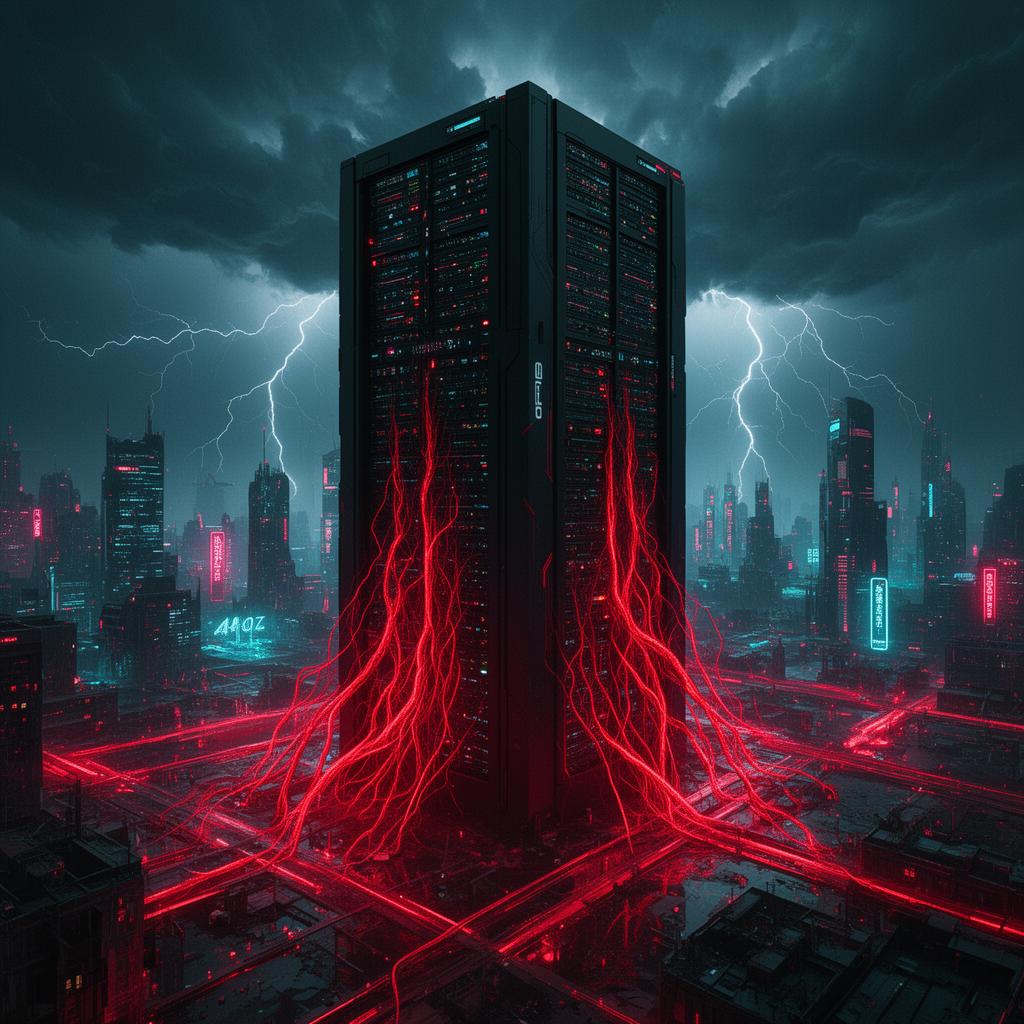
As the physical world collides with synthetic intelligence, the line between digital prestige and industrial survival enters a violent new era of obsession.
The neon haze of the 2026 tech landscape isn't just a mirage of code; it is a brutal, physical land grab for hardware supremacy. Eclipse’s recent massive windfalls with Cerebras serve as a glaring signal flare that the era of 'pure software' is dead. We are witnessing the rise of a physical-world thesis where massive silicon wafers—the size of dinner plates—are the new tectonic plates of the global economy. This isn't just a venture capital win; it's the fortification of a digital fortress where the infrastructure for intelligence requires more than just venture debt—it requires the raw, unyielding power of specialized compute that leaves traditional GPUs choking in the dust.
Below the surface of these high-stakes investments, a darker culture of silicon survivalism is taking root. As Amazon abandons the ghosts of its older hardware, the underground is stirring. We are seeing a resurgence of digital scavengers jailbreaking legacy Kindles, reclaiming the right to own their hardware in an age of forced obsolescence. This tech-noir reality reflects a growing anxiety about the transience of digital ownership. If the titans can remotely kill a device's utility, the only true sovereignty lies in the hands of the hackers who refuse to let their obsolete glass and metal become landfill fodder for the corporate machine.
The rot of synthetic influence has even infiltrated the ivory towers of academia and the solemnity of the commencement stage. ArXiv has been forced to draw a line in the sand, threatening to exile researchers who offload their cognitive labor to the very algorithms they are supposed to be studying. Meanwhile, the cultural fatigue is so deep that graduation speakers are being warned to keep the term 'AI' out of their mouths. It is a strange paradox of the mid-20s: we are entirely dependent on these neural networks to optimize our mobility and logistics, yet we are developing a visceral, almost allergic reaction to their omnipresence in our human rituals.
Finally, the legal arena has become the ultimate theater of the tech-industrial complex, as the Musk-OpenAI trial turns the concept of 'trust' into a weapon of war. This is no longer about open-source idealism; it is a battle for the soul of the interface. Even Apple is attempting to scrub its digital footprint, pivoting Siri toward auto-deleting histories in a desperate bid to convince users that their ghost in the machine is truly private. Whether through the arms race in automotive AI or the marketing operating systems like Nectar Social swallowing up Series A rounds, the directive is clear: adapt your wetware to the silicon pulse, or find yourself deleted from the system entirely.
More in Robotics
DARPA Wants Robots That Can Actually Do Real Work
The backflips are cool, but can a robot lift a spare tire? The Pentagon's latest challenge is a reality check for automation, focused on the grunt work of military logistics.

Humanoid Robots Are Here, Just Not In Your Kitchen
The viral videos show bipedal robots doing chores. The reality is that less glamorous mobile manipulators are already here, working factory shifts you'll never see.