Silicon and Sinew: The $2.5 Billion Vindication of Physical Intelligence
?utm_source=reddit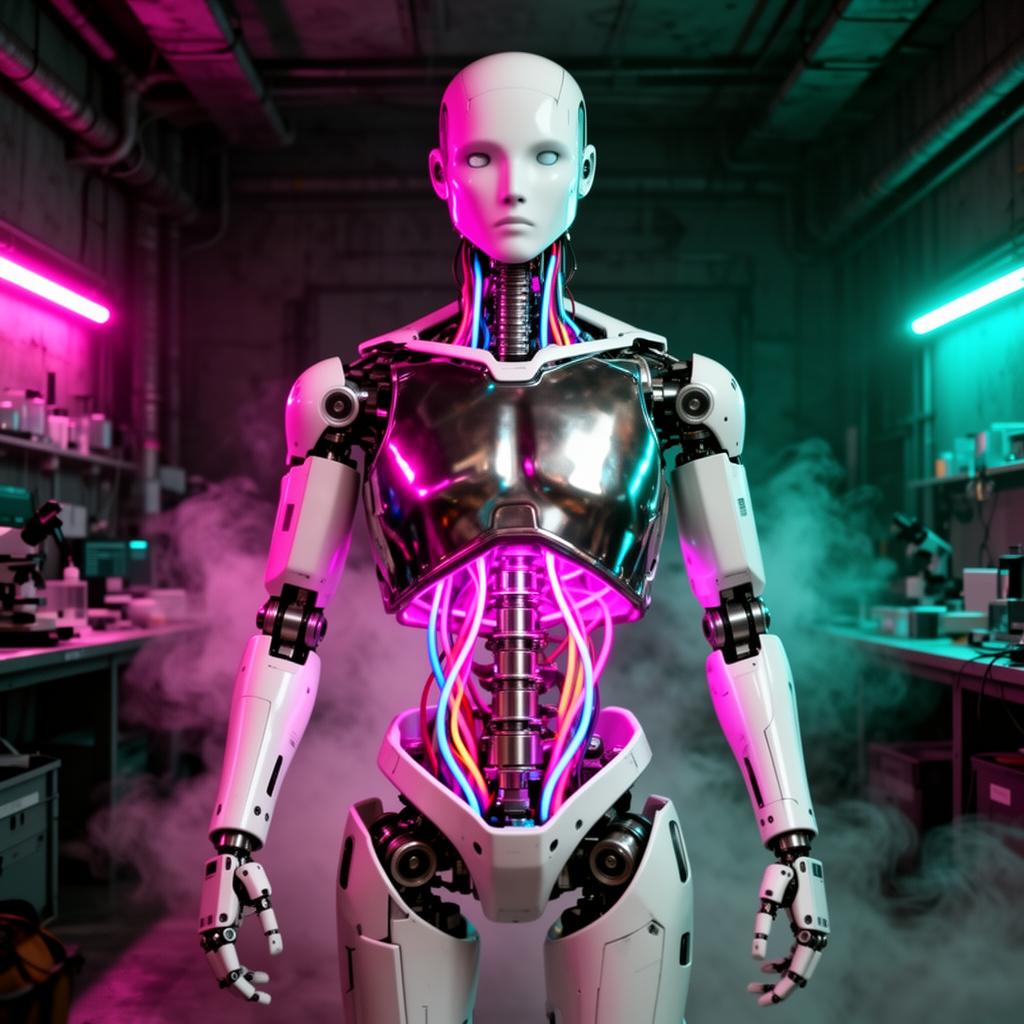
Eclipse’s massive Cerebras exit signals a tectonic shift from ephemeral software to the brutal world of hard-asset engineering.
A decade ago, the neon-lit corridors of Silicon Valley were obsessed with the ethereal—SaaS, social media, and the endless pursuit of pixels. Lior Susan and his team at Eclipse Ventures chose a grittier path, gambling on the 'physical world' thesis when the mainstream viewed hardware as a slow-death sentence. That lonely wait in the dark has finally collided with a blinding light. The firm’s early bet on semiconductor titan Cerebras Systems has culminated in a staggering $2.5 billion windfall following a landmark IPO, turning a $147 million long-term investment into a 17-fold return that has sent shockwaves through the venture circuit.
This isn't just about a massive payday; it is a validation of the architectural shift from software that manages data to processors that manipulate reality. Cerebras, with its massive, wafer-scale engine, represents a departure from the incrementalism that has plagued chip design for years. By backing the hardware necessary to power the next generation of artificial intelligence, Eclipse moved beyond the safety of the application layer to build the foundational skeletons of the future. The firm is no longer shouting into the void about the digitization of the physical world; it is now the architect of its industrial resurgence.
The current landscape is a far cry from the desolate, hardware-sparse environment of 2015. We are witnessing the birth of 'Physical AI,' where the digital ghost finally gets a body. As automated factories, autonomous fleets, and robotic labor become the backbones of the global economy, the demand for massive compute becomes a matter of geopolitical and industrial survival. This $2.5 billion exit marks the end of the SaaS-first era and the beginning of a neo-industrial revolution. The money follows the metal, and those who can bridge the gap between abstract code and concrete reality are the ones holding the keys to the kingdom.
Looking forward, Susan’s 'physical-world' thesis seems less like a niche gamble and more like a prophecy fulfilled. As Cerebras begins its life as a public entity with an IPO price of $185 per share, the message to investors is clear: the most valuable innovations are no longer contained within our screens. They are the engines, the sensors, and the silicon wafers that will drive the machines of tomorrow. For the crew at Eclipse, this win is merely the opening salvo in a long-form campaign to rewire the world’s infrastructure, proving that in the end, the physical world always has the final word.
More in Robotics
DARPA Wants Robots That Can Actually Do Real Work
The backflips are cool, but can a robot lift a spare tire? The Pentagon's latest challenge is a reality check for automation, focused on the grunt work of military logistics.
Humanoid Robots Are Here, Just Not In Your Kitchen
The viral videos show bipedal robots doing chores. The reality is that less glamorous mobile manipulators are already here, working factory shifts you'll never see.