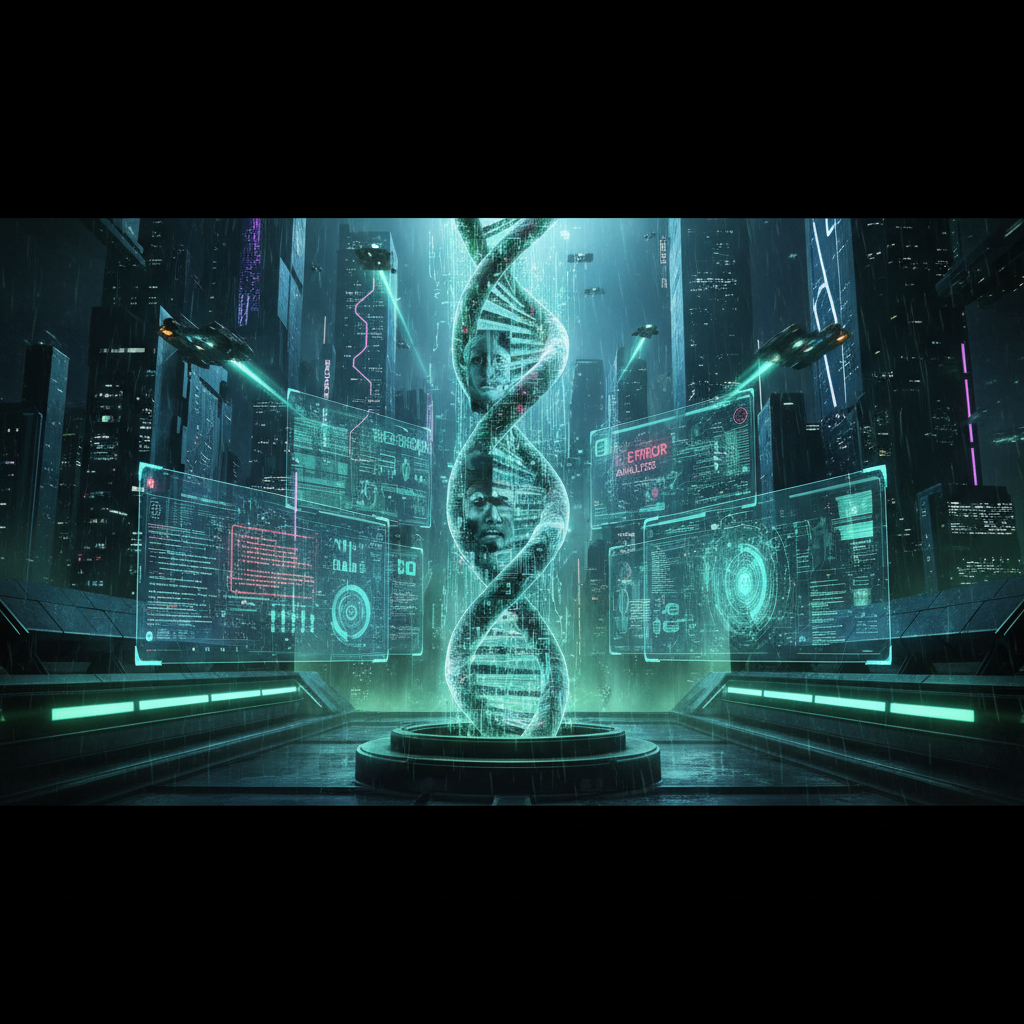
Proving Reality Is The New Hard Problem
?utm_source=reddit
Generative AI's real threat isn't the fakes it creates. It's the way it makes us doubt what's real. A Berkeley expert calls this the 'liar's dividend,' and it's already eroding our shared sense of truth.
A photo of Mitch McConnell surfaces online. Social media immediately flags it as AI-generated. The lighting looks off, the skin too smooth. There’s just one problem: the photo is real. This isn’t a hypothetical. UC Berkeley professor Hany Farid spent hours analyzing the image to confirm its authenticity after a wave of public disbelief. This is the new landscape. The game is no longer just spotting the fake; it’s about having the tools to prove the genuine. As Farid told the ACFE Globalfraud conference, the bigger challenge for fraud prevention experts may be proving what's real rather than spotting what's fake. This effect has a name: the 'liar's dividend,' a toxic byproduct of ubiquitous AI where bad actors can dismiss authentic evidence as a deepfake, knowing the public is primed to believe them. Anybody can deny it.
Human intuition is a failed security measure. The era of spotting deepfakes by looking for six-fingered hands is over. Farid’s research shows that even after training, people distinguish real from AI-generated content at a rate only slightly better than a coin flip, and their confidence has no bearing on their accuracy. The machines are winning because the machines are fighting differently. Today's generative models are statistical inference engines, not physics simulators. They can render a face that fools the human eye, but they don't understand 3D geometry or the physics of light. Forensic algorithms exploit this. They don't look for weird fingers; they analyze inconsistencies in shadows, reflections, and perspective that betray the model's non-physical origins. Other countermeasures involve embedding trust at the source, using cryptographic signatures and invisible watermarks to create a verifiable chain of custody for digital media before it ever goes viral.
The chaos Farid describes is a growth market. For state-sponsored disinformation campaigns and financial fraudsters, the liar's dividend is a windfall, slashing the cost of creating plausible deniability to zero. Real-time voice and face-swapping on platforms like Zoom and Teams are no longer lab experiments; they are active threats in identity theft and corporate espionage. The counter-offensive is being mounted not by government, but by corporate consortiums. Adobe, Microsoft, and Intel are leading the push for the Coalition for Content Provenance and Authenticity (C2PA) standard, an open framework to certify the source and history of media. It’s a technical solution to a trust problem, but it remains opt-in. The platforms that host the content, from X to Meta, have shown little appetite for enforcing a standard that might curb engagement.
We are headed for a bifurcated reality. Over the next five years, expect an information ecosystem split into two tiers: a 'verified' channel of content cryptographically signed by its creators, and a much larger, wilder channel where anything goes. The courts, which Farid notes are in 'complete and utter chaos' over digital evidence, will be forced to create new standards of proof that rely more on cryptographic verification than on what a jury thinks it sees. The tools to generate synthetic media will continue to be democratized, but so will the tools to authenticate real media. The fight is moving from detection to provenance. The question is no longer whether we can build trustworthy systems. It's whether a society drowning in content will care enough to use them.