Robinhood Is Letting AI Agents Trade Stocks. Your Money Is the Training Data.
?utm_source=reddit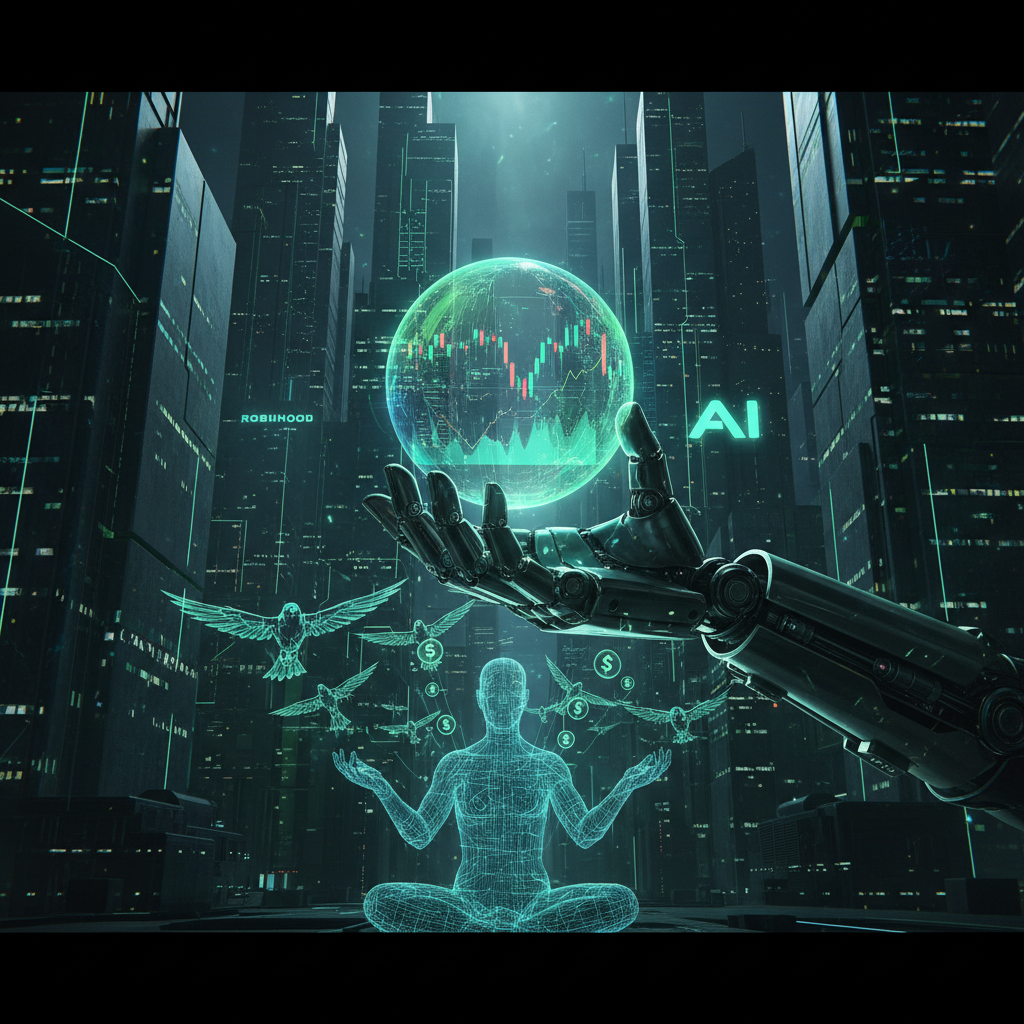
The app that gamified trading is now connecting language models directly to the market. A dedicated wallet provides a sandbox, but the real experiment is on you and your life savings.
Algorithmic trading has been the ghost in the machine for decades, a game played by hedge funds with server racks parked in New Jersey. Robinhood just handed the keys to anyone with an API token. The company announced that users can now authorize third-party AI agents to execute trades on their behalf. This isn't another robo-advisor picking ETFs based on a questionnaire. This is a direct line from a general-purpose language model to your capital. The idea that your personal AI can analyze the market and trade for you has moved from a science fiction prompt to a beta feature on a platform with 23 million users. The guardrails are there. The real question is what they can actually guard against.
The core of the system is a sandboxed API connected to a dedicated wallet. An agent, whether a custom script or a commercial model like those from OpenAI or Anthropic, gets authenticated access. It can read a user’s entire portfolio to analyze risk and identify opportunities, but it can only execute trades using funds pre-loaded into its separate wallet. This read-only/write-limited permission structure is a classic security pattern meant to contain the blast radius. Robinhood's proprietary 'Model Context Protocol' acts as a translation layer, feeding the agent structured data like analyst notes and sector risk, preventing it from just gambling based on scraped headlines. The most likely failure mode isn't the AI running off with your money; it’s the AI making a thousand perfectly authorized, catastrophically bad trades in seconds because it misinterpreted a news feed or a prompt you wrote.
Robinhood wins immediately. More trades, even small ones, generate more payment for order flow, the bedrock of its business model. The agent platforms like OpenAI also win, gaining a killer app in the high-stakes world of personal finance. The user is the variable. They are handed a tool that feels omniscient but has no fiduciary duty and a well-documented tendency to hallucinate. This accelerates the gamification of the market into something new: a casino where you can ask the slot machine for its strategy. Regulators at the SEC and FINRA are caught flat-footed. The law is built for human advisors and disclosed algorithms. A generative agent that invents a novel, high-risk options strategy from a plain-English prompt fits nowhere. Robinhood will call it a tool. A plaintiff’s lawyer will call it unregistered, automated financial advice.
The beta is launching with equities, but the roadmap already includes options, crypto, and futures. That’s where the real instability lies. Imagine millions of autonomous agents, all trained on similar data sets, simultaneously deciding to trade zero-day-to-expiration options based on a single viral news event. The potential for correlated, machine-speed flash crashes driven by the retail herd is immense. Within a few years, these agents won't operate in isolation. Your trading agent will negotiate with your bank's agent to secure a margin loan, or with your travel agent to liquidate assets for a trip. The market becomes a complex, emergent system of bots talking to bots. The AI will execute its orders perfectly. The question is whether you, its owner, will understand the logic it just invented, and who pays the price when that logic is wrong.