Tesla's Autopilot Problem Isn't the Tech. It's the Trust.
?utm_source=reddit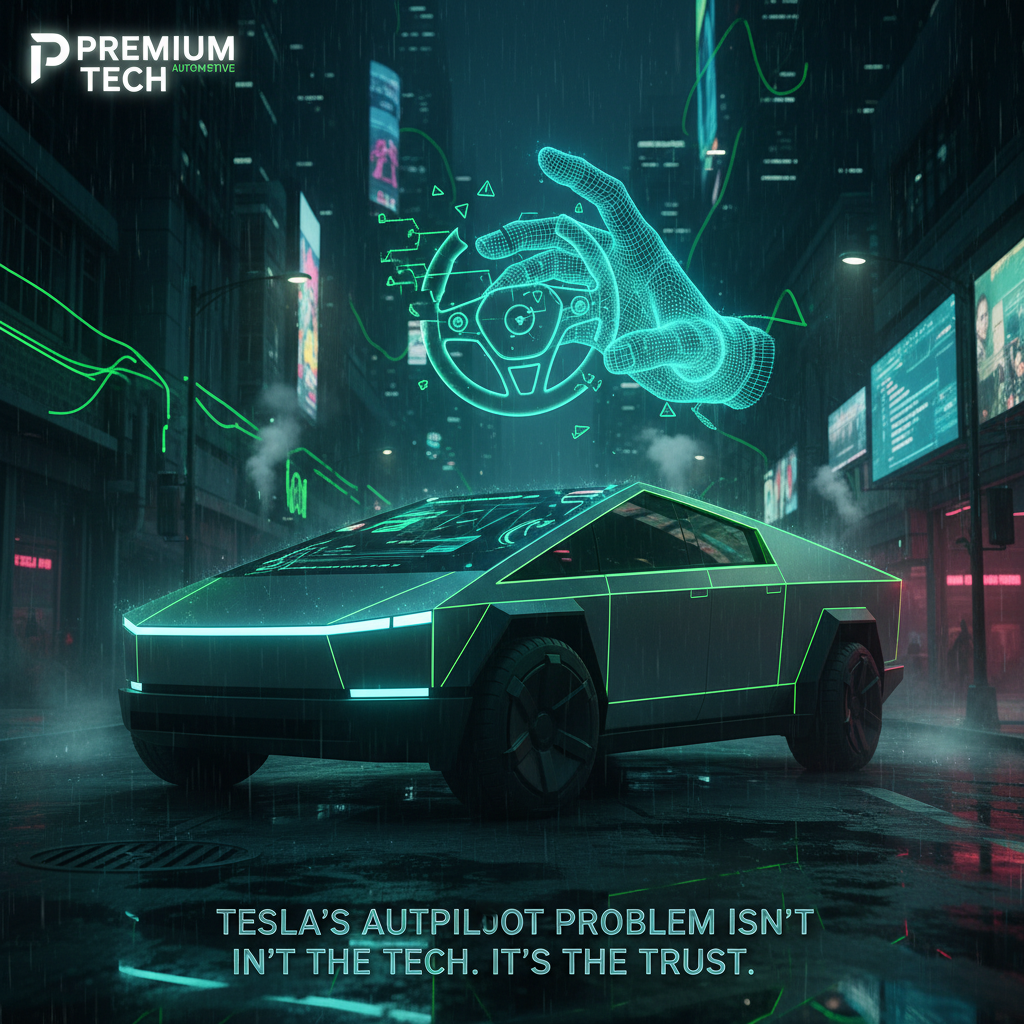
An NFL coach crashed his Tesla after nine years of safe Autopilot use. His mistake reveals the core design flaw of all Level 2 driver-assist systems: they work just well enough to make you dangerously complacent.
San Francisco 49ers head coach Kyle Shanahan crashed his Tesla Model S on July 14. He wasn’t drunk, speeding, or texting. He dropped his phone, looked down for two seconds, and veered into an SUV. The car was on Autopilot. Shanahan, to his credit, took the blame. But the blame is not the story. The design is the story. He’d used Autopilot for nine years and felt, in his own words, "pretty comfortable with it" — a comfort that led him to glance away at 20 mph. This isn't a story about a bad driver. It's a story about how a good-enough driver-assist system teaches you to stop paying attention, right up until the moment it fails.
Tesla's Autopilot is a Level 2 driver-assistance system. That's an industry term meaning the car manages steering and speed, but the human is legally and practically the backup system, required to be alert and ready to intervene instantly. The system uses a suite of cameras to interpret lane lines and surrounding traffic, feeding that data to a processing chip that makes drive decisions. The problem is the handoff. For miles of routine highway driving, the system works so well it breeds complacency. But when it encounters an edge case it can't solve—a confusing intersection, a faded line, a driver reaching for a phone—it doesn't degrade gracefully. It simply fails, instantly transferring responsibility back to a human who has effectively been a passenger for the last half-hour. Two seconds is all it takes to cross the center line.
Tesla has a direct financial incentive to blur the line between assistance and autonomy. It sells "Full Self-Driving" for thousands of dollars as a software upgrade, a major source of high-margin revenue. The company’s own CEO has publicly undermined the system’s safety requirements, creating a deep confusion about what the car can and cannot do. When a crash occurs, Tesla’s position is clear: the driver is always responsible. This leaves owners in a dangerous gray area, lulled by marketing and years of reliable operation, yet legally on the hook for any failure. As Electrek reported, Autopilot and FSD crashes reported to regulators hit a record 207 in a single month recently. In this dynamic, Tesla collects the cash and the data, while the driver assumes all the risk.
The next few years won't solve this problem. They will almost certainly make it worse. As Level 2 systems from Tesla, Ford, and GM get incrementally better, they will invite more driver complacency, leading to more "Shanahan" events: low-speed collisions born from a few seconds of misplaced trust. The technology is caught in a valley where it is too good for a driver to ignore but not good enough to be trusted. Until a system is truly Level 4—fully autonomous in a defined area with no human oversight required—we are all beta testers in a live-fire experiment on public roads. This pattern will continue until liability shifts, either through legislation or lawsuits that force automakers to clarify what their systems actually are. The question isn't whether the robot can drive. It's who's responsible when the human trusts it just a little too much?
More in Automotive
That Electric Jet Flight Cost $5. The Real Story Is the Hybrid Engine.
Heart Aerospace flew a massive electric plane on a pocket change budget. But the demonstrator isn't the product. The real play is a hybrid jet that might actually save regional airlines from spiraling fuel costs.
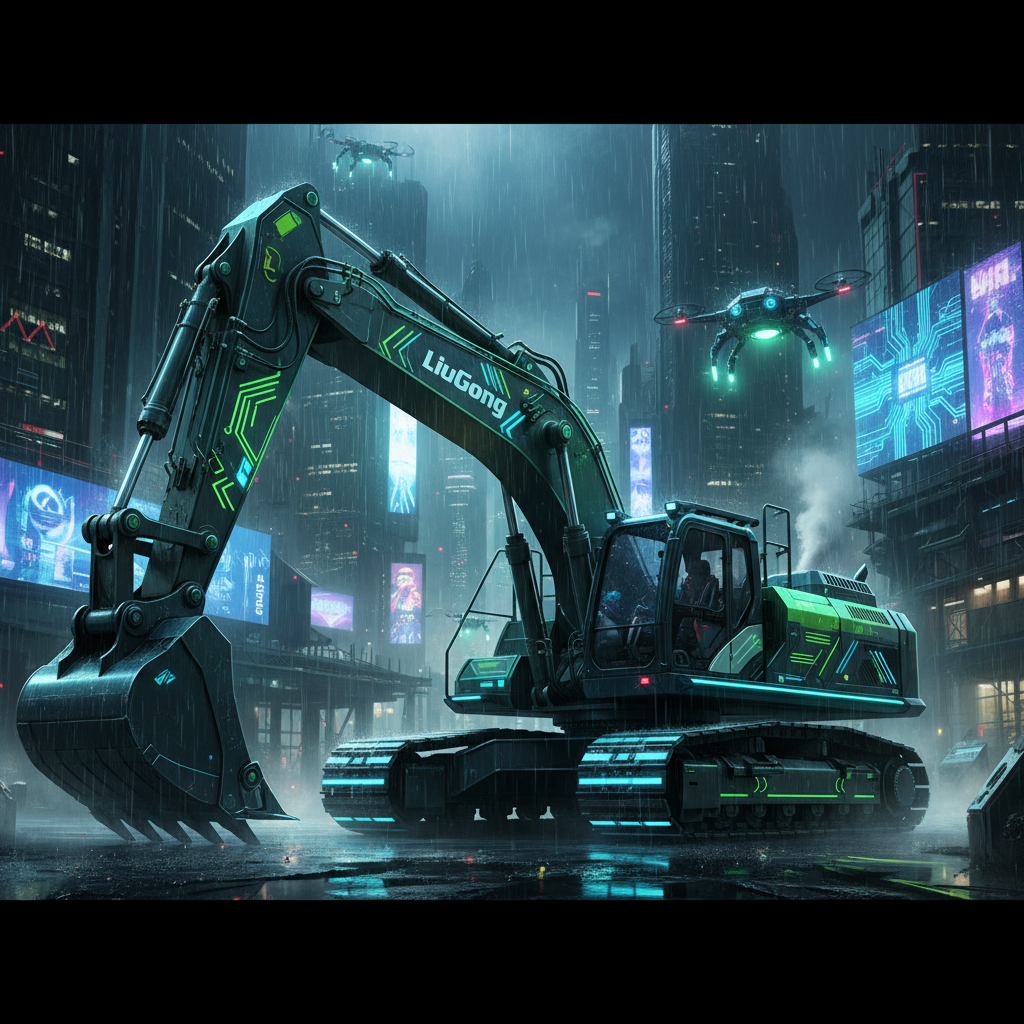
The Job Site Goes Quiet: LiuGong's 30-Ton Electric Digger Lands In America
The roar of the diesel job site is about to get a lot quieter. A Chinese equipment giant is bringing an electric excavator to the US that it claims cuts operating costs by nearly half.