The Robot Isn't the Point. The Controller Is.
?utm_source=reddit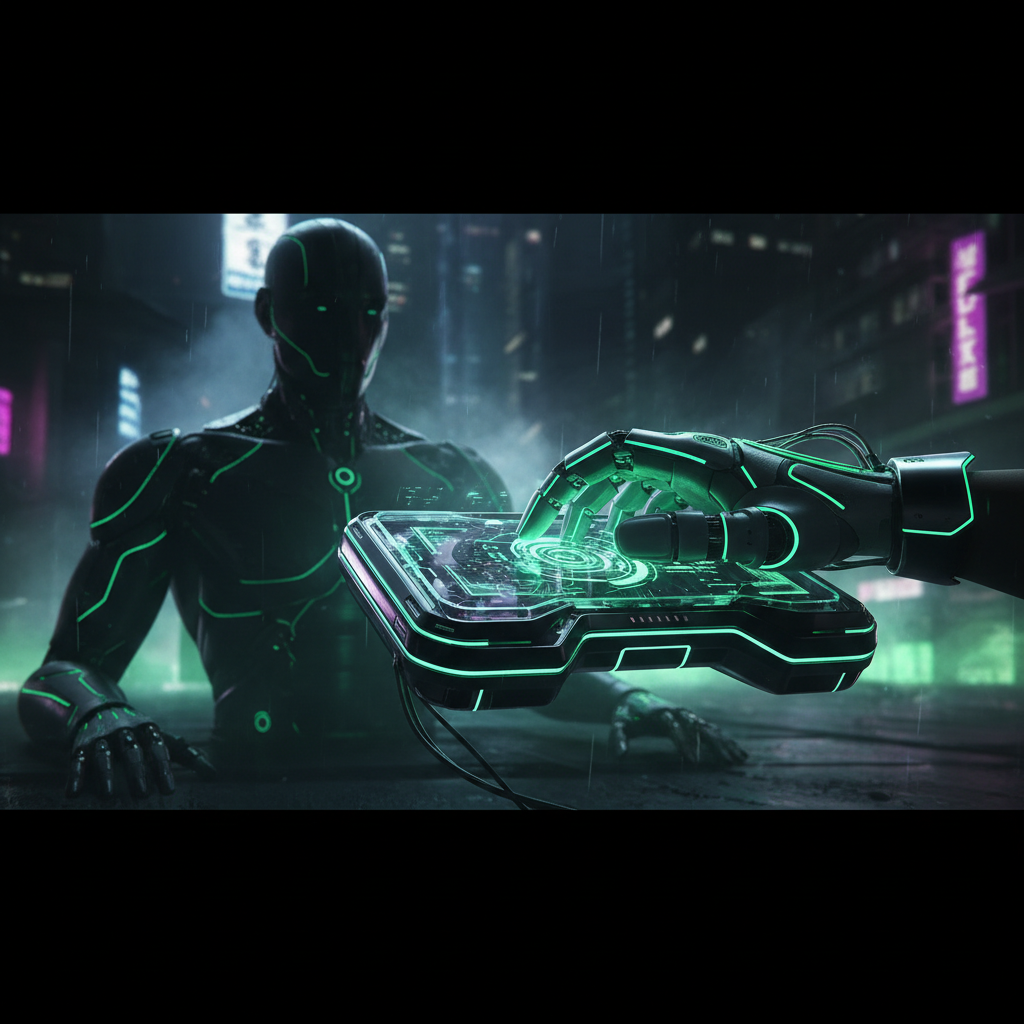
We're obsessed with robot autonomy. The real money is in building better remote controls that let a human do the hard thinking from a thousand miles away. The interface is the actual story.
The humanoid robot demos are getting slicker. Boston Dynamics' new Atlas is an electric contortionist and Figure's bot now sorts dishes for BMW. But watch closely. These machines still operate in carefully structured cells, running pre-programmed routines or narrow AI models that shatter when faced with the unexpected. The industry's dirty secret is that full, general-purpose autonomy is still a lab project. The chase for a thinking machine has distracted from the real work: building a better bridge between human and machine. The hardware is basically fine. The problem is telling it what to do, second by second, in a world that refuses to sit still.
This is where companies like WeTour Robotics come in. Their approach sidesteps the common-sense problem entirely by putting a thinking human back in the loop. The technology isn't autonomy; it's radically advanced telepresence. An operator wears an immersive headset and uses controllers that map their hand and arm movements directly to a remote robot. The key isn't just video streaming, but high-fidelity haptic feedback. When the robot's gripper touches a surface, the operator feels the texture and resistance in their hand. The system is translating human intent into low-level motor commands and robot sensor data back into human sensation. It's a high-bandwidth sensory bridge, turning a thousand-dollar robot arm into a dexterous extension of a skilled worker anywhere on the planet.
The money here doesn't follow the moonshots from Tesla or Figure, who are burning billions to solve general intelligence. It flows to pragmatists who can make existing industrial robots useful for unstructured tasks, today. A small factory can't afford to retool its entire line for a fleet of autonomous humanoids, but it can afford a WeTour-style rig to let one remote operator perform delicate assembly or quality control across multiple stations. This model democratizes robotics, making it an operational expense instead of a massive capital risk. Legacy robotics firms like KUKA and FANUC could win big by bundling their hardware with these new interfaces. The losers are the pure-play AI companies betting the farm on a breakthrough that's always five years away.
For the next few years, expect this human-in-the-loop model to quietly colonize the jobs too dangerous, remote, or specialized for direct human labor. Think nuclear decommissioning, deep-sea maintenance, or specialized welding. Full autonomy will continue its slow, expensive march in structured environments like warehouses and automotive plants. The more immediate future of physical work isn't a factory full of self-aware robots, but a legion of remote operators performing physical jobs from a desk. The question isn't whether a robot will take your job. It's whether your job will become something you do through a haptic remote, and what that does to the very definition of labor.
More in Robotics
DARPA Wants Robots That Can Actually Do Real Work
The backflips are cool, but can a robot lift a spare tire? The Pentagon's latest challenge is a reality check for automation, focused on the grunt work of military logistics.

Humanoid Robots Are Here, Just Not In Your Kitchen
The viral videos show bipedal robots doing chores. The reality is that less glamorous mobile manipulators are already here, working factory shifts you'll never see.