The SEC's Musk Settlement: A User Manual for Beating the System
?utm_source=reddit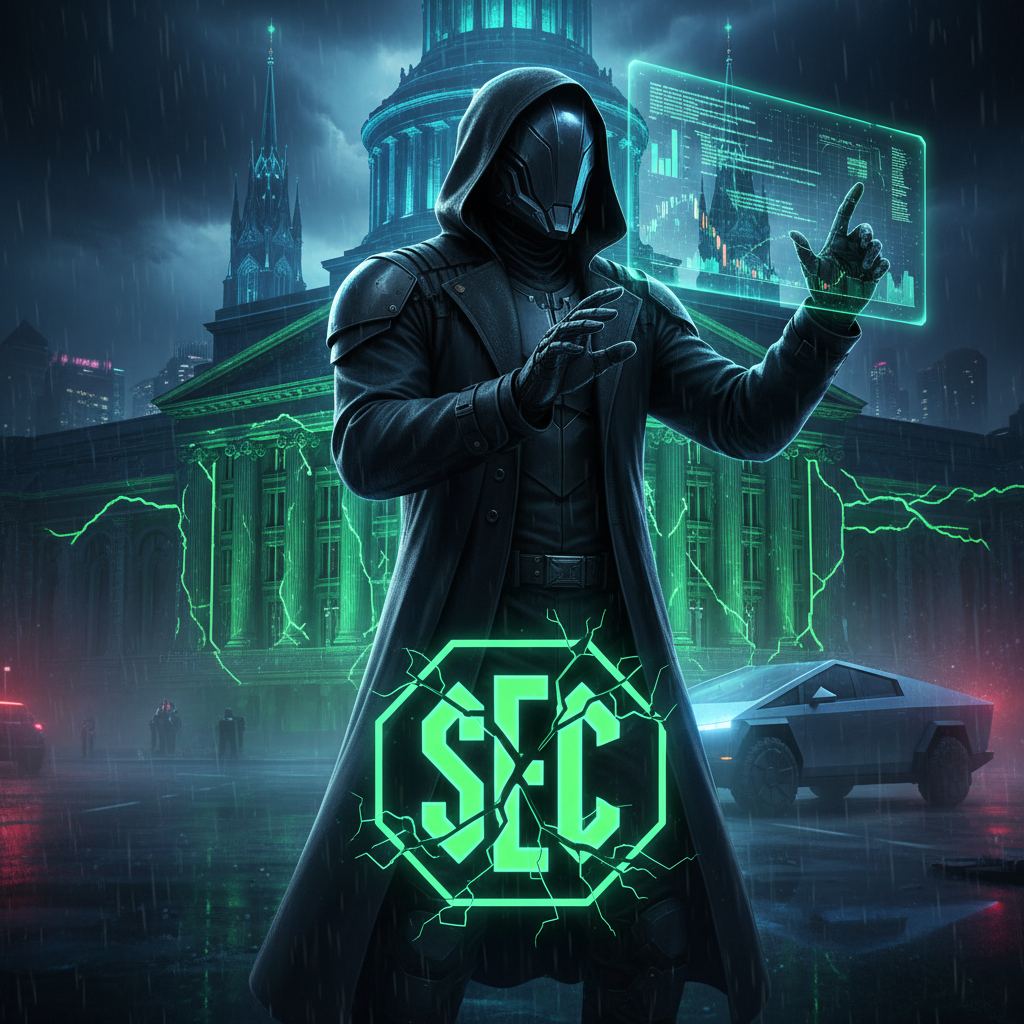
Elon Musk allegedly deprived Twitter investors of $150 million. The SEC just settled the case for a $1.5 million penalty, no admission of guilt, and a judge who couldn't legally stop it.
Elon Musk was late telling the world he was buying Twitter. The Securities and Exchange Commission alleged this filing delay allowed him to acquire shares on the cheap, saving him about $150 million at the expense of other investors. His penalty, finalized this week, is a $1.5 million fine. Even the federal judge who signed off on the settlement described having “significant misgivings,” but concluded the court couldn’t legally block it. The case is less about a single late form and more a brutal lesson in two-tiered justice. The rules are real, but for some, the penalties are just a rounding error.
The regulation in question is not arcane. A violation of Section 13(d) of the Securities Exchange Act is a strict liability offense, meaning intent is not a factor. You either disclose a stake of over 5% in a public company within ten days, or you don't. The Biden-era SEC originally sued Musk in January 2025, seeking disgorgement of the entire $150 million he allegedly gained from the filing delay. But after a change in administration, the agency's posture shifted. The final settlement drops the disgorgement entirely, replaces it with a civil penalty of one cent on the dollar, and applies the injunction against future violations to a trust in Musk's name, not the man himself.
Money and power wrote every line of this final chapter. The initial, aggressive lawsuit from one SEC administration was defanged by the next. In an order approving the deal, US District Judge Sparkle Sooknanan noted the numerous “red flags” and the fact that the $1.5 million penalty is “around 1 percent of the total amount of money that was potentially at stake.” The winner is Musk, who pays a pittance, avoids admitting any wrongdoing, and keeps the nine-figure sum he allegedly pocketed. The losers are the Twitter investors who sold their shares for less than they were worth and will see no compensation from this deal. The SEC gets a token payment, but its reputation as a serious market enforcer takes a significant blow.
This settlement provides a clear, repeatable playbook for the next billionaire who sees a market rule as an obstacle, not a guardrail. The price of non-compliance can be negotiated down to a trivial cost of doing business, particularly if the political climate is favorable. The deterrent effect of SEC enforcement actions is hollowed out when the consequences are so clearly survivable for the wealthiest actors. Judge Sooknanan ultimately deferred the issue of accountability, writing that it is for “our citizenry to decide at the ballot box.” If the courts themselves must bow to political realities in enforcing financial law, who is the law actually written to constrain?
More in Legal

A Man Tried To Hack a Court With Invisible Ink
The hack failed because the court wasn't using AI. The fact that he thought it would work is the real story, and a preview of how legal tampering will evolve.

A Federal Judge Gives Google One Week to Stop Rigging Its App Store
Google lost its antitrust case but tried to win the compliance war with a deliberately confusing UI. A federal judge just called their bluff and is not amused.