Wearable Glucose Monitors Go Mainstream — Without a Prescription
?utm_source=reddit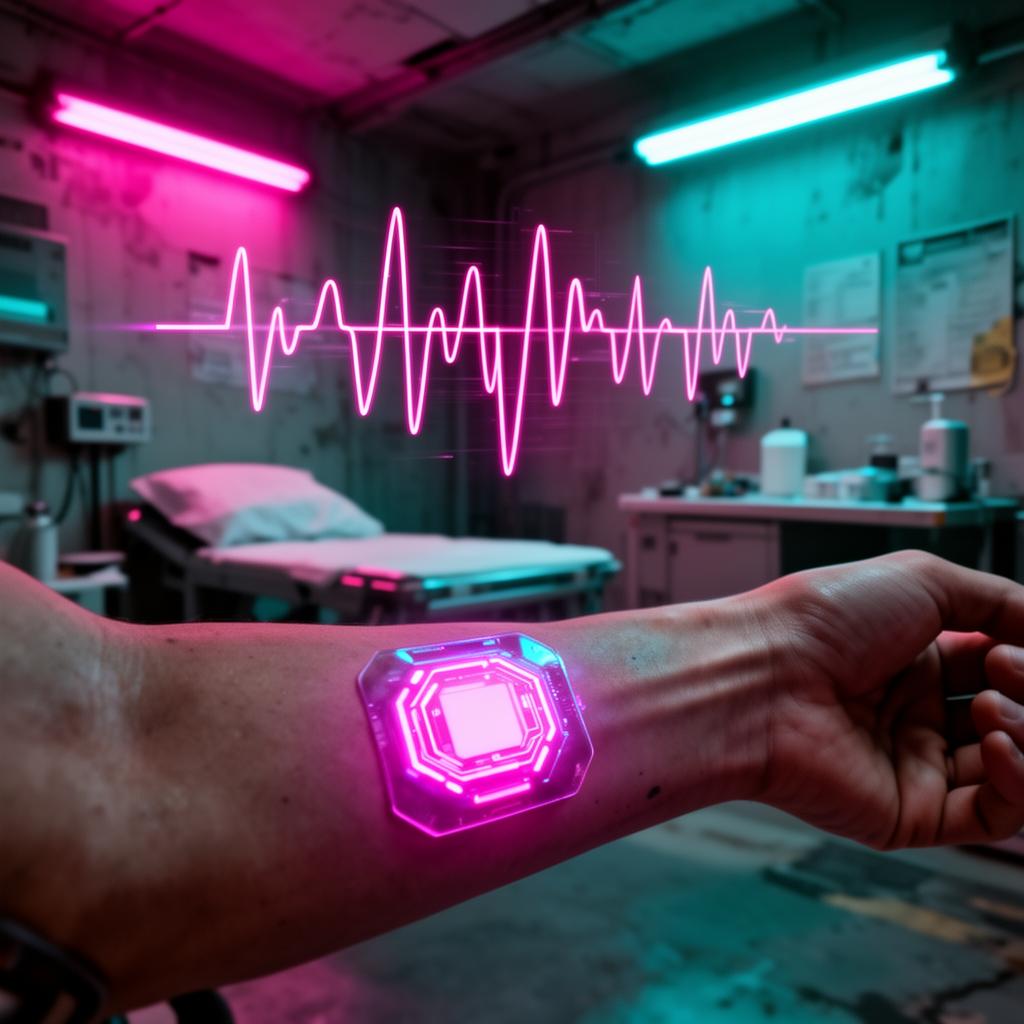
Abbott Lingo and Dexcom Stelo are now over-the-counter. What the data actually tells healthy users about diet and sleep.
Over-the-counter continuous glucose monitors are now a billion-dollar consumer category, and the inflection happened almost without a marketing event sharp enough to date it. Abbott's Lingo and Dexcom's Stelo cleared the FDA's de novo pathway for non-diabetic wellness use.
The underlying sensor technology has finally crossed the cost threshold where mass deployment is economically rational. Enzymatic glucose-oxidase electrodes are now produced on lines that look closer to semiconductor backend assembly than traditional medical-device manufacturing.
The behavioral science underneath the data stream is where the category gets philosophically uncomfortable. Continuous biometric feedback turns out to be a powerful behavior-modification substrate, and not always in the direction the user intended.
The forward question is whether the FDA continues to treat non-diabetic CGM use as a wellness category or starts demanding clinical-grade outcome data. Either resolution is consequential. The version of consumer health that emerges in 2028 will not look like the version that walked into 2025.
More in Medical

Epic Systems' Walled Garden Is Under Federal Scrutiny
Epic runs the software behind American medicine. Now the FTC is investigating whether its tight grip on data and employees is illegal. This is about more than software; it's about control.

Eli Lilly's War on the Black Market for a Miracle Weight-Loss Drug
A drug that delivers astonishing weight loss has spawned a massive gray market. Now, the pharma giant that makes it is fighting back, and the supply chain is about to get ugly.