A Software Prosthetic For Roland's Forgotten Powerhouse Synth
?utm_source=reddit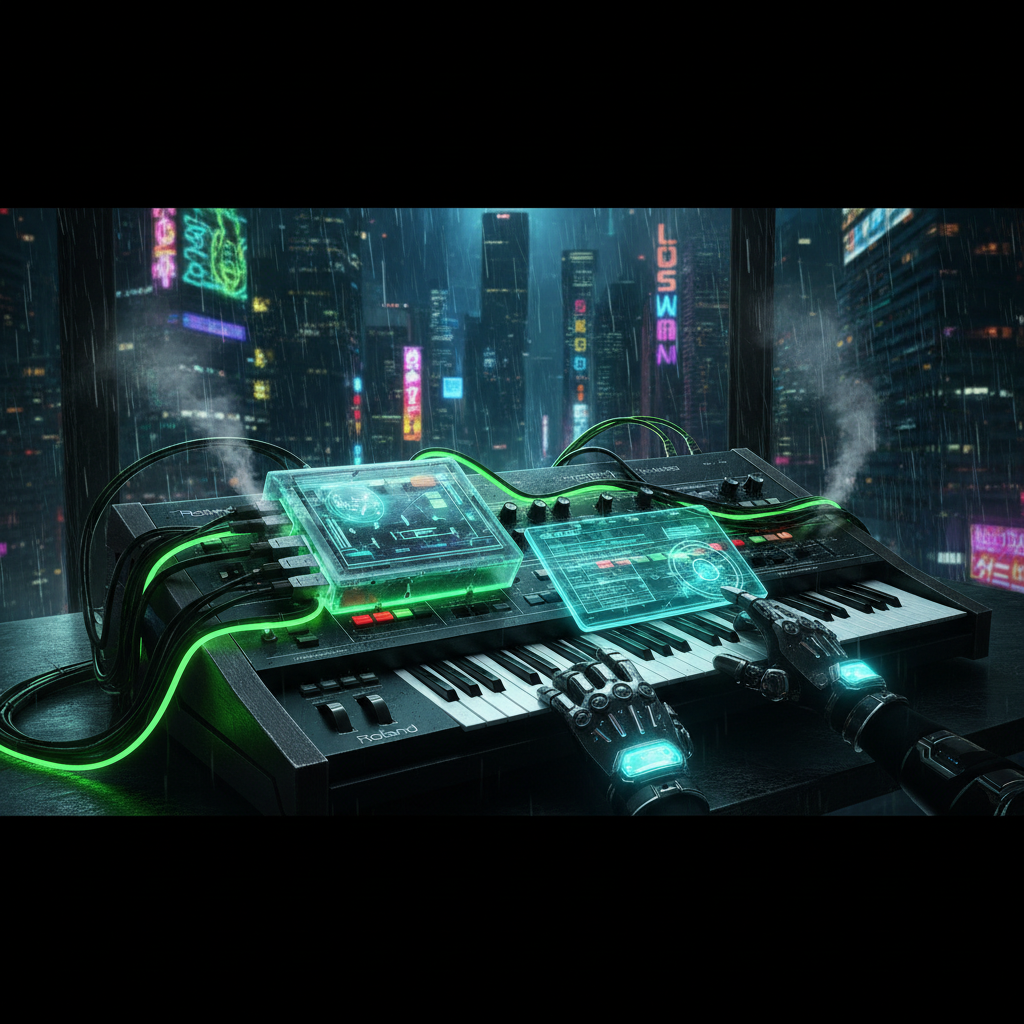
Roland's Integra-7 is a classic synth module trapped behind a terrible interface. A new third-party editor finally unlocks its full power, no thanks to the original manufacturer.
Roland’s Integra-7 is a modern classic. A black 2U rack box packed with two decades of the company's best sounds, from pristine pianos to every TR drum machine. It’s a studio workhorse. But actually using it from the front panel is an exercise in frustration, a tiny screen and a single data wheel standing between you and thousands of parameters. The official iPad app helped, for a while, before it aged out. Now, a third-party developer has built what the community always wanted: a deep, native editor that runs on a desktop. This isn't about new sounds. It's about finally unlocking the machine you already own.
The software, called Integra-7 Editor or i7Ed, communicates directly with the hardware over a standard MIDI connection. It uses SysEx—System Exclusive messages—a dusty but effective part of the MIDI 1.0 spec designed for this exact kind of deep parameter control. This allows the editor, available for Linux and Windows, to bypass Roland's own operating system menus entirely. It provides a graphical interface for the Integra’s complex architecture: 16 simultaneous parts, the SuperNATURAL acoustic and synth engines, PCM wave tones, and the labyrinthine multi-effects routing. As detailed on the developer's site, beastybobs.com, every section can be opened in its own window, turning a menu-diving chore into a proper digital audio workstation experience.
This is a story about the gap between corporate product cycles and the long life of professional hardware. Roland produced an iPad editor, but it’s tied to an aging platform and was never the complete solution power users craved. For a one-time fee of €59, as reported by Synthtopia, a solo developer is now providing the long-term support Roland has moved on from. The winners are the thousands of studio owners who invested in the Integra-7 and can now use it to its full potential. Roland doesn't necessarily lose here, but it highlights how dependent their legacy hardware is on the goodwill of the user community to remain truly usable.
This pattern isn't new, but it is accelerating. Hardware gets more powerful while its physical interface shrinks to cut costs, resulting in capable machines crippled by their own UX. From synthesizers to network routers, the third-party software fix is becoming an essential component. Even upon its release, a 2012 Sound on Sound review noted the Integra's onboard editing could be 'a little fiddly.' A decade later, it took an external developer to truly solve it. We will see more boutique software spring up to service powerful, abandoned hardware. The real question is about stability. What happens when a single indie developer is the life-support system for thousands of pieces of professional equipment?