Tesla Asks Startups To Fix Its Berlin Battery Line
?utm_source=reddit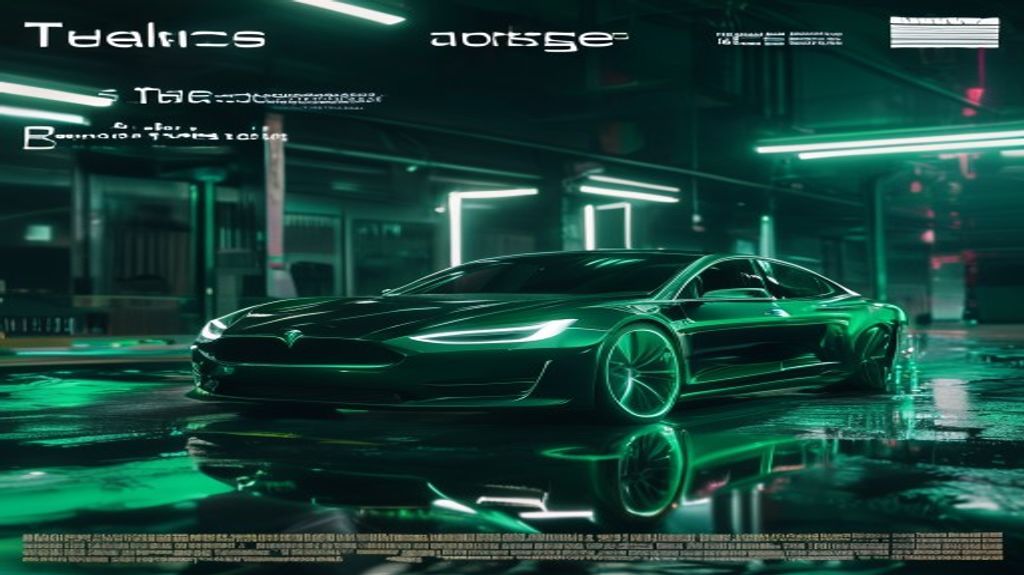
The 4680 cell has been Tesla’s hardest manufacturing problem. Now it’s opening the factory doors and asking outsiders for help, a move that is either brilliant or desperate.
Tesla, the company synonymous with zealous vertical integration, is hanging a help-wanted sign on the door of its German factory. The new “Cell Giga Challenge” invites startups to come inside Gigafactory Berlin-Brandenburg and help solve the most stubborn problem in Tesla’s manufacturing stack: the 4680 battery cell. For years, the story has been one of in-house mastery and secretive process engineering. This is a different story. It suggests the company that prides itself on solving everything internally has finally hit a problem where it needs outside ideas.
The program itself is a structured talent funnel, run in partnership with JUNI, a German startup platform backed by the country’s federal economics ministry. The goal is dead simple: find startups that can make battery cell manufacturing faster, better, and cheaper. Tesla has laid out five specific areas for improvement, from raw materials and production equipment to factory automation and AI-driven process control. The best applicants don't just win a trophy; they advance through a multi-stage screening process that culminates in a pitch to Tesla engineers and the potential for a paid pilot project directly on the Grünheide production line. It's a rare chance to beta test your hardware inside one of the most advanced, capital-intensive manufacturing sites on the planet.
This open invitation is backdropped by a massive capital outlay. Reports in May noted Tesla committed an additional $250 million to more than double its cell target at the site, pushing total investment toward €1 billion for an eventual 18 GWh of annual capacity. That’s enough cells for nearly 350,000 vehicles per year. Yet the 4680 program has consistently missed cost and yield targets, forcing Tesla to maintain its reliance on outside suppliers like LG and Panasonic. The challenge is a clever piece of financial maneuvering: let hungry startups spend their own venture capital on R&D, then pay a relatively small pilot fee to get a first look at the winners. For a startup, it’s the ultimate validation; for Tesla, it’s a low-risk way to crowdsource solutions to a billion-dollar problem.
This is either an open-innovation masterstroke or a quiet admission of defeat. Legacy automakers do not typically open their active production lines to unproven startups, especially not inside the heavily regulated and unionized industrial heart of Germany. Tesla is betting it can sidestep conventional R&D cycles and find a breakthrough in the Berlin tech ecosystem. The program's success won't be measured by the number of applications, but by whether any of these pilot projects actually ship in a production vehicle by 2027. The real question isn't if startups can improve battery manufacturing. It’s whether a company defined by its top-down control can integrate an outside solution without simply acquiring and absorbing it first.
More in Automotive
That Electric Jet Flight Cost $5. The Real Story Is the Hybrid Engine.
Heart Aerospace flew a massive electric plane on a pocket change budget. But the demonstrator isn't the product. The real play is a hybrid jet that might actually save regional airlines from spiraling fuel costs.
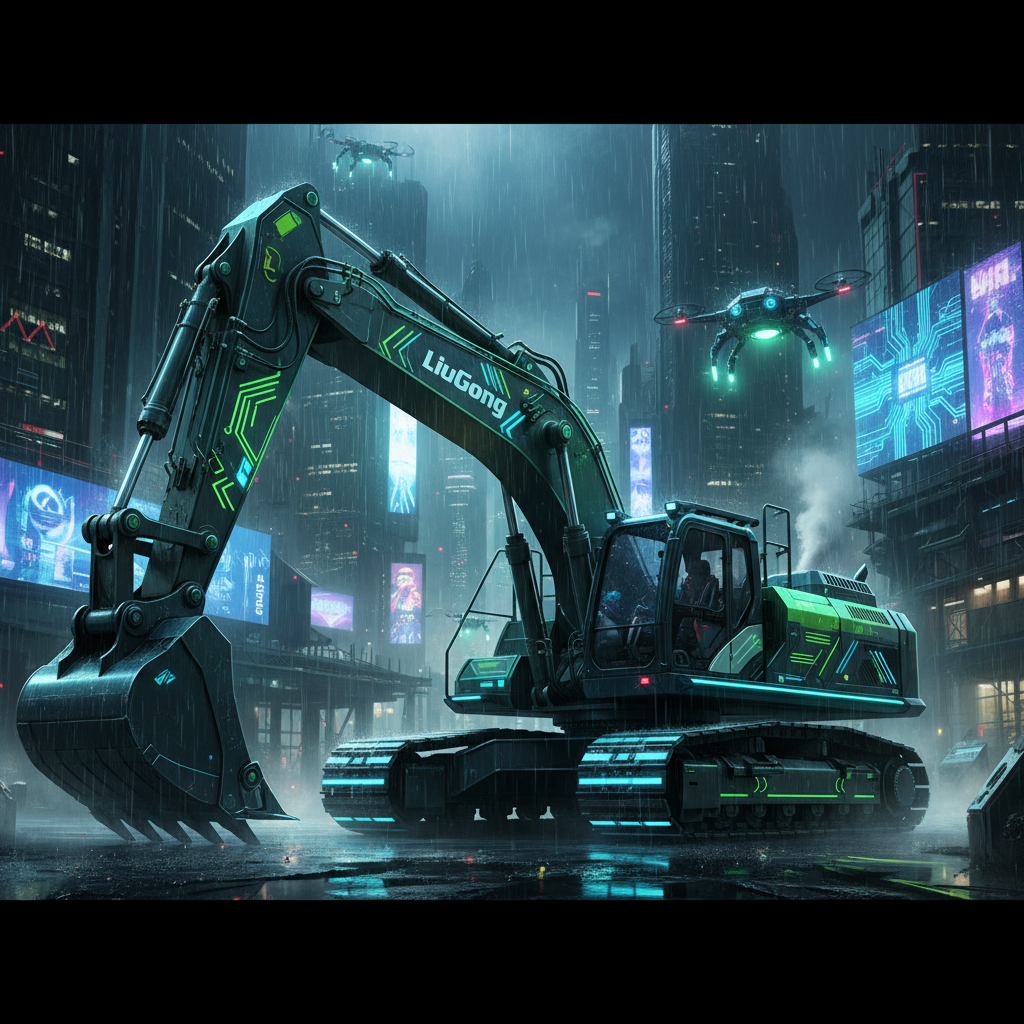
The Job Site Goes Quiet: LiuGong's 30-Ton Electric Digger Lands In America
The roar of the diesel job site is about to get a lot quieter. A Chinese equipment giant is bringing an electric excavator to the US that it claims cuts operating costs by nearly half.