Tesla’s Cheaper Battery Is a Better Long-Term Investment
?utm_source=reddit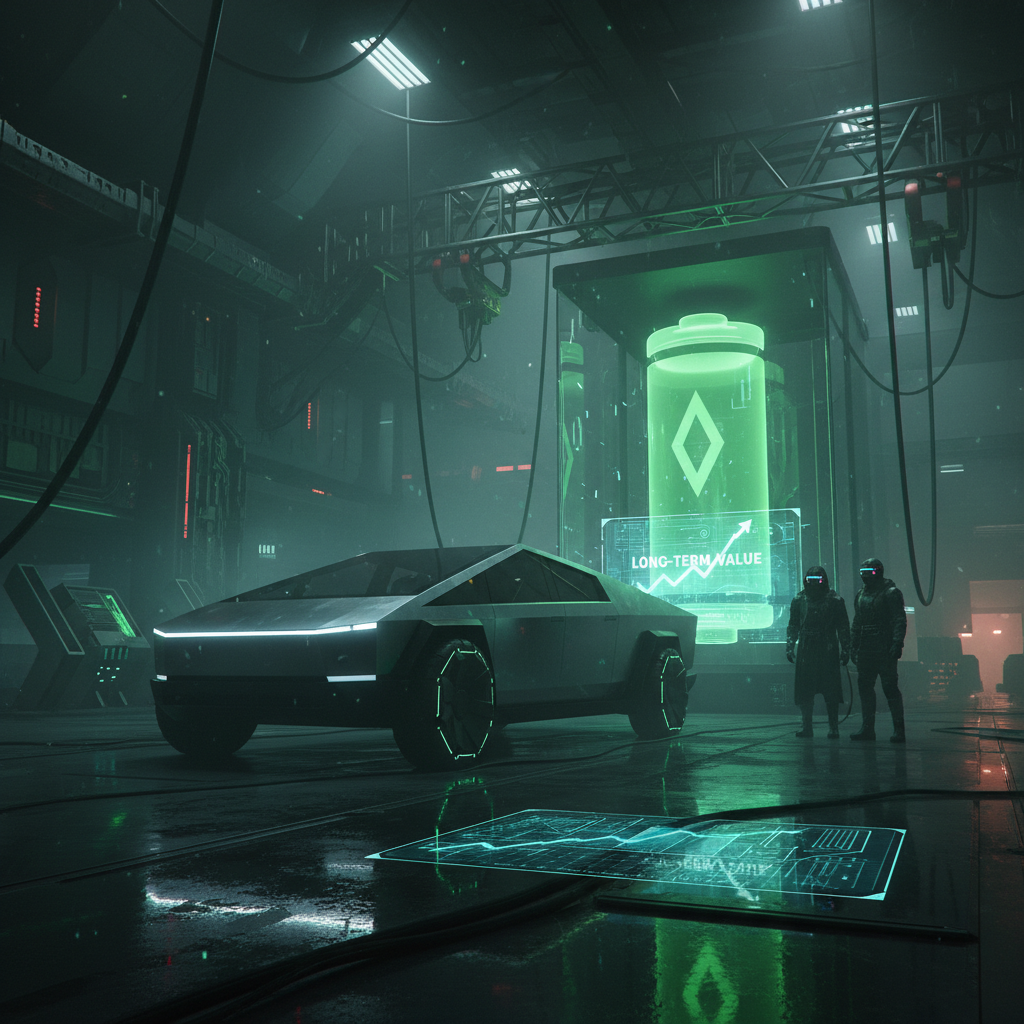
For years, the premium nickel battery was the selling point. New data shows Tesla's cheaper, iron-based pack degrades far slower, turning the used EV market on its head.
The car is the same. The badge is the same. But the battery inside your Model 3 makes all the difference, and not in the way you were sold. For years, the story was simple: pay more for the Long Range nickel battery, get more performance. But new analysis from a Swedish used-EV retailer that analyzed 9,954 battery tests flips that script entirely. The cheaper, iron-based LFP battery pack from CATL is holding its capacity better over the long haul than every nickel-based version Tesla sells. After 62,000 miles, the LFP cars still had 93.3% of their battery health. The expensive ones didn't.
The why is a story of two different chemistries. The premium packs use nickel-based formulas like NCA and NMC, supplied by Panasonic and LG Chem. They pack more energy into less weight, which is great for advertised range. But lithium iron phosphate (LFP) trades some of that density for raw durability. LFP cells are more thermally stable and, critically, don't mind being charged to 100% every day. Nickel packs degrade faster under that stress, which is why owners are advised to stick to an 80-90% daily charge. That difference in care and feeding compounds over thousands of cycles. The data from Sweden shows Panasonic's NCA packs degrading to as low as 88% health over the same distance, a five-point gap that translates directly to lost range and resale value.
Tesla didn't switch its standard models to LFP to give you a better long-term car; it did it to cut costs and escape the supply chain nightmares of nickel and cobalt. The main beneficiary was assumed to be Tesla's margin and its Chinese battery partner, CATL. This data suggests the owner got a quiet win in the deal. It reframes the "budget" battery as the more durable asset. Suddenly, the calculus for a used Model 3 buyer changes. The cheaper car is the one with the healthier battery. This is terrible news for the premium image of nickel chemistries and a potential hit to the residual value of millions of older Teslas built with what was once considered the superior technology.
This data solidifies LFP's position as the workhorse chemistry for the next five years of electric cars, not just entry-level models. As LFP energy density improves, it will become harder to justify the cost and longevity penalty of nickel for anything but the highest-performance vehicles. Reports from the fleet-data firm Geotab, drawing on more than 22,700 vehicles, already suggested EV batteries would outlive the cars they're in. This new, model-specific breakdown shows that *which* battery matters immensely. While Tesla has reported that Model 3 and Model Y Long Range packs lose roughly 15% of capacity after 200,000 miles, this real-world evidence suggests LFP is the path to even flatter degradation curves. The industry solved for range anxiety. Now the data is forcing it to solve for value retention. For the buyer, the question is simple: why would you ever pay a premium for a battery that dies faster?
More in Automotive
That Electric Jet Flight Cost $5. The Real Story Is the Hybrid Engine.
Heart Aerospace flew a massive electric plane on a pocket change budget. But the demonstrator isn't the product. The real play is a hybrid jet that might actually save regional airlines from spiraling fuel costs.

The Job Site Goes Quiet: LiuGong's 30-Ton Electric Digger Lands In America
The roar of the diesel job site is about to get a lot quieter. A Chinese equipment giant is bringing an electric excavator to the US that it claims cuts operating costs by nearly half.